
Living in Deerfield Beach, FL, means dealing with heat and humidity for most of the year. Your air conditioning system works hard to keep your home comfortable. One key part of that comfort is proper air flow. When air flow is poor, your home may feel uneven, humid, or uncomfortable even when the AC is running. Poor air flow can also increase energy bills and put extra strain on your HVAC system.
Many homeowners do not realize they have an air flow problem until it becomes serious. This is an issue that the professional duct cleaning services of Greg’s Air Solutions LLC help homeowners address every day. Below are seven clear signs that your home may need air flow improvement.
1. Uneven Temperatures Throughout Your Home
One of the most common signs of poor air flow is uneven temperatures. Some rooms may feel cool while others stay warm. You may notice that bedrooms are hotter than living areas or that upstairs rooms never feel comfortable.
This happens when air cannot move properly through your duct system. Cooled air may not reach every room evenly. In Deerfield Beach homes, this problem is common due to long cooling seasons and older duct designs.
If you are constantly adjusting the thermostat to stay comfortable in certain rooms, air flow issues may be the cause.
2. Weak Air Coming From Vents
Another clear sign is weak or limited air coming from your vents. When you place your hand near a vent, the air should feel steady and strong. If the air feels weak or barely noticeable, there may be an air flow restriction.
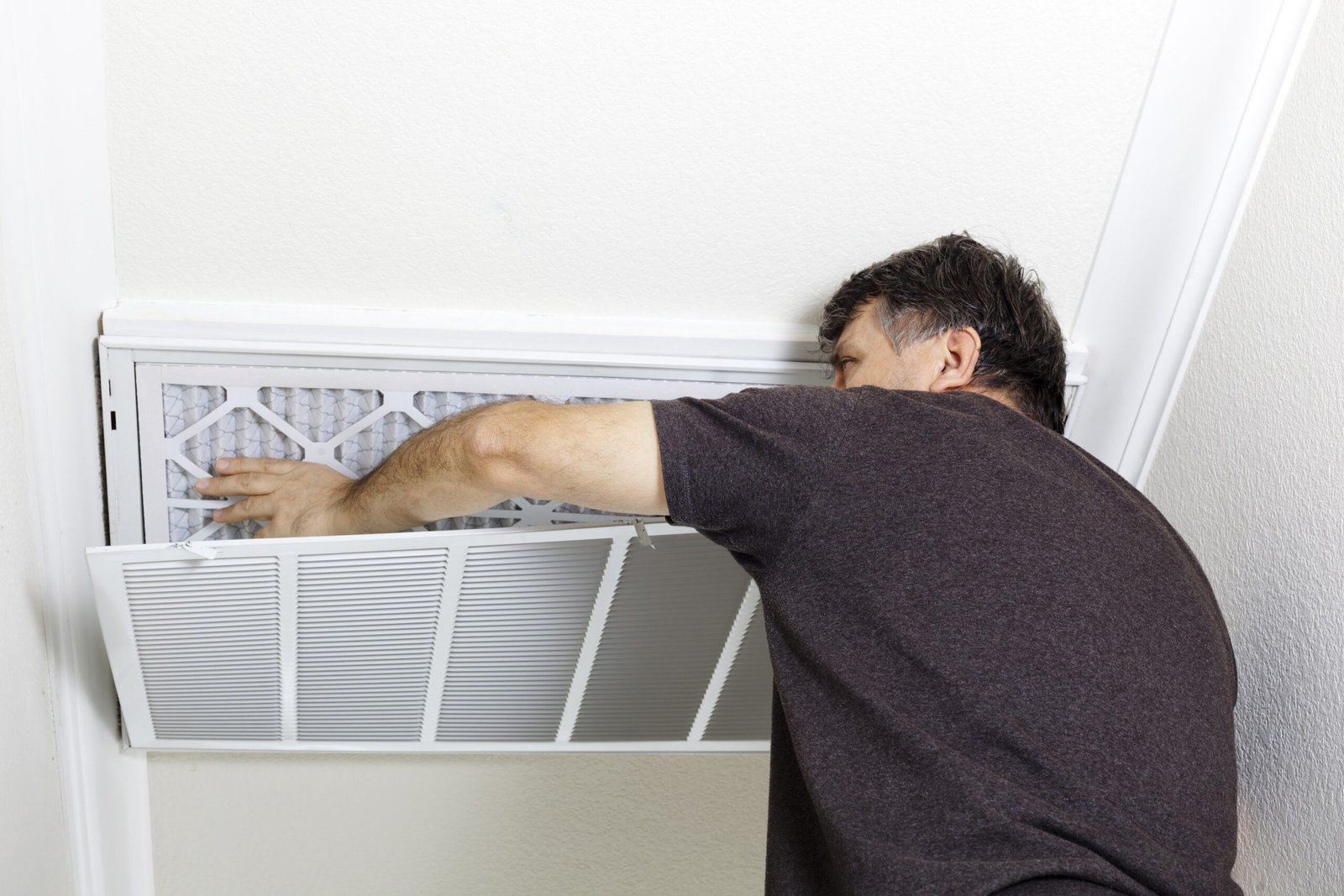
This can be caused by dirty air filters, blocked ductwork, crushed ducts, or poorly sized duct systems.
In some cases, furniture or rugs may also block vents, which reduces air movement. Weak air flow means your AC system has to work longer to cool your home, which can increase wear and tear.
3. Rising Energy Bills Without Increased Usage
If your energy bills keep rising even though your habits have not changed, air flow problems could be to blame.
When air cannot move freely, your HVAC system must work harder to reach the set temperature.
In South Florida, cooling systems run often. Poor air flow makes this worse. The system stays on longer and uses more electricity. Over time, this leads to higher monthly bills and unnecessary energy waste. Improving air flow can help your system run more efficiently and lower energy costs.
4. Excess Humidity Inside the Home
High humidity inside your home is another sign of air flow problems. Your air conditioner does more than cool the air. It also helps remove moisture. When air flow is limited, moisture removal becomes less effective.
You may notice a sticky or damp feeling indoors. Windows may show condensation. Towels and fabrics may take longer to dry. In Deerfield Beach, where humidity is already high, poor air flow can make indoor conditions uncomfortable.
Excess humidity can also lead to mold growth and damage to walls, furniture, and flooring.
5. HVAC System Runs Constantly or Cycles Too Often
If your AC runs all day without shutting off or turns on and off frequently, air flow could be the issue. A system with proper air flow should cool the home evenly and shut off once the temperature is reached.
Restricted air flow causes the system to struggle. It may run longer trying to cool certain areas. In other cases, pressure issues can cause short cycling, where the system turns on and off too quickly.
Both situations put stress on system parts and can lead to breakdowns and shorter equipment life.
6. Dust Buildup and Poor Indoor Air Quality
Excess dust around vents and on surfaces can be linked to air flow problems. When air does not move properly, dust and particles build up in the ductwork and circulate unevenly.
You may notice more dusting or worsening allergy symptoms. Poor air flow can also trap pollutants, pet dander, and moisture inside the system.
In coastal areas like Deerfield Beach, salt air and humidity can make indoor air quality issues worse. Improving air flow helps air move evenly and allows filters to work properly.
7. Noisy Ductwork or Whistling Vents
Unusual sounds from your duct system should not be ignored. Whistling vents, rattling ducts, or banging noises often point to air pressure problems.
When air is forced through small or blocked openings, it creates noise. Loose or damaged ducts can also vibrate when air struggles to pass through.
These sounds are signs that your duct system is not balanced properly. Ignoring them can lead to further damage and reduced comfort.
Get Professional Air Flow Improvement with Greg’s Air Solutions:
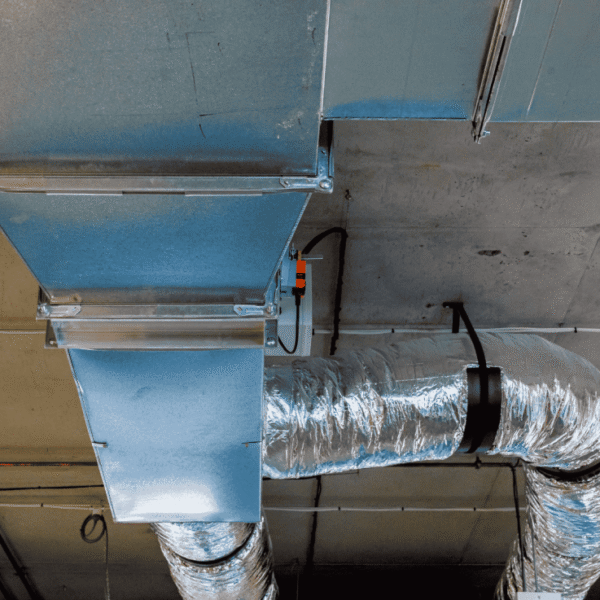
At Greg’s Air Solutions LLC, we help Deerfield Beach homeowners diagnose and fix air flow problems that affect comfort and energy efficiency. Our team inspects your HVAC system and ductwork to find restrictions, leaks, or other issues that limit air movement.
We also check vents, filters, and air pressure to pinpoint the root cause of poor air flow.
Once the problem is identified, we provide practical solutions tailored to your home. This may include duct sealing, repairs, air balancing, or system adjustments.
Our goal is to improve comfort, lower energy costs, and help your HVAC system run more efficiently, keeping your home cool and comfortable year-round. Contact us today to schedule an air flow assessment and restore comfort to your home.
Frequently Asked Questions (FAQs):
1. What causes poor air flow in a home?
Poor air flow is often caused by dirty filters, blocked or leaking ducts, or poor duct design. Aging HVAC systems and home changes can also affect air movement.
2. Can poor air flow make my home feel more humid?
Yes, limited air flow reduces your AC system’s ability to remove moisture from the air. This can make your home feel damp and uncomfortable.
3. Does poor air flow increase energy bills?
Yes, restricted air flow forces your HVAC system to work harder and run longer. This leads to higher energy use and increased monthly bills.
4. Is uneven room temperature always an air flow problem?
Not always, but air flow issues are a common cause. Duct problems or poor air distribution often lead to hot and cold spots.
5. Can blocked vents cause air flow problems?
Yes, furniture, rugs, or closed vents can restrict air movement. This limits how well air circulates through your home.
6. Will improving air flow help my HVAC system last longer?
Yes, proper air flow reduces strain on system components. This can help prevent breakdowns and extend system life.
7. How often should air filters be changed?
Most filters should be changed every one to three months. Homes with pets or allergies may need more frequent changes.
8. Do I need a professional to fix air flow issues?
Some small issues can be fixed by homeowners, like changing filters or clearing vents. Larger problems usually require a professional air flow evaluation.